
Blogs
The Rise of Consumer Credit and How to Manage Your Own

How often do you use a credit card? Perhaps you even use more than one. In today’s economy, the small rectangle of plastic (or metal) in your wallet is more than just a tool for buying groceries; it is a gateway to a complex financial ecosystem. To truly understand credit cards, we have to look into the history, economics, and sociology of American debt.
Drawing from the insights of Louis Hyman, Robert Manning, Thomas A. Durkin, and Sean Vanatta, here is the story of how we became a “Credit Card Nation.”
Where They Came From: The Shift from Main Street to Wall Street
Before the 20th century, personal debt was often viewed as a moral failing or the province of “loan sharks.” In “Debtor Nation,” Louis Hyman explains that credit was originally localized, meaning you had a “tab” at the neighborhood grocer.
The real transformation began after World War II. As Sean Vanatta details in his recent work “Plastic Money,” banks were looking for ways to bypass restrictive New Deal-era regulations that capped interest rates and limited where banks could operate. They landed on the credit card as a “bank in your pocket.”
Ambitious, to say the least.
The first major breakthrough was the Diners Club card in 1950, followed by BankAmericard (which became Visa) and Master Charge (later, Mastercard). As Hyman notes, the 1978 Marquette Supreme Court decision was a turning point, allowing banks to “export” the interest rates of their home state to the rest of the country. This led banks like Citibank to move their operations to states like South Dakota, effectively deregulating interest rates and turning consumer debt into a high-profit engine for Wall Street.
How They Work: The Mechanics of the “Swipe”
At its core, a credit card is a revolving loan. Unlike a car loan, which has a fixed end date, a credit card allows you to borrow, repay, and borrow again indefinitely.
You might see how this could quickly bury consumers in debt.
But even all the way back in 2001, Robert Manning observed a cultural shift where debt was no longer a personal embarrassment and instead viewed as a necessity and, extraordinarily, a source of personal identity. He views credit cards as a “technological modernization event that detaches itself from all social consequences.”
In “Consumer Credit and the American Economy,” Thomas A. Durkin and his co-authors argue that this system is a masterpiece of efficiency. It reduces the “transaction costs” of life. Instead of 20 different stores checking your credit individually, one bank does it once, and you can use that trust anywhere.
The “Points” Game: Why Do Rewards Exist?
If you’re like me, you take advantage of credit card points whenever possible. Stacking points or airline miles feels like cash back incentives, and if you’ve ever wondered why a bank would give you 2% cash back or 50,000 airline miles just for spending money, the answer lies in a mix of psychology and “interchange fees.”
- Interchange Fees: Every time you swipe, the merchant pays a fee (usually 1.5% to 3%) to the bank. Banks use a portion of this fee to fund your rewards.
- The “Top of Wallet” Strategy: Banks want their card to be the one you reach for first. Rewards create loyalty.
- The “Reverse Robin Hood” Effect: Economic studies often suggest that consumers who carry balances and pay high interest effectively subsidize the rewards of consumers who pay in full. Robert Manning’s “Credit Card Nation” highlights how these incentives are designed to encourage more spending than a consumer might otherwise afford, leading to a cycle of revolving debt that fuels bank profits. Manning also argues that “access to credit and the terms of debt are the most underdiscussed and most important new feature of inequality in post-industrial America,” referring to people who pay off their cards in full each month as “deadbeats” the banks can’t profit from.
How to Use Them Responsibly: Ideas for the Modern Consumer
Do you have what Manning calls an “addiction to credit?” While the authors above warn of the systemic risks, they also provide a roadmap for how to navigate this world without being consumed by it. Here’s how to use your credit card responsibly and avoid a debt pit.
- Treat it Like a Debit Card: The most responsible way to use a card is to avoid spending money you don’t already have in your bank account. As Durkin notes, credit is best used to “smooth consumption” (handling a large purchase you can afford but want to pay over a few weeks) rather than “expanding” it beyond your means.
- The “Pay-in-Full” Rule: To help maximize the points game, you must be a “transactor” (someone who pays the statement balance in full every month) rather than a “revolver.” The moment you pay interest, the value of your points is wiped out by the astronomical APR.
- Beware the “Psychology of Plastic”: Manning points out that people tend to spend more when using plastic than when using cash because the “pain of paying” is delayed. If you find your spending creeping up, try a “cash-only” week to recalibrate.
- Avoid “Credit Creep”: Just because a bank raises your limit doesn’t mean you should use it. Hyman’s history shows that the expansion of credit limits was often driven by bank profitability goals, not necessarily your financial health.
So, what’s the verdict? To paraphrase Robert Manning, is there power or peril in plastic? Everyone’s financial situation is unique, and we can help you take inventory of your funds and spending habits to determine if your credit card is supporting your goals. The credit card is a tool of immense convenience, but it was built by institutions designed to profit from people’s debt. A meeting with us can help you manage your credit usage and move from being a “user” of credit to managing your finances effectively.
We are available to discuss your financial strategy at your convenience.
Sources:
Debtor Nation: The History of America in Red Ink by Louis Hyman
Credit Card Nation: The Consequences of America’s Addiction to Credit by Robert Manning
Consumer Credit and the American Economy by Thomas A. Durkin, et al
Plastic Money: The Rise of Credit Cards and the Banks That Created Them by Yale University Press
https://www.c-span.org/program/book-tv/credit-card-nation/106565
https://www.experian.com/blogs/ask-experian/the-history-of-credit-cards/
https://supreme.justia.com/cases/federal/us/439/299/
This information is provided as general information and is not intended to be specific financial guidance. The source(s) used to prepare this material is/are believed to be true, accurate and reliable, but is/are not guaranteed. SWG 5164829-0126

Tax Season Alert! A Less-Stress Tax Filing Checklist

Tax season can sometimes bring a mix of anxiety and a long list of action items, but it doesn’t have to! And you don’t have to be an expert on the tax code or a senior accountant to have a smooth filing experience. The secret ingredient is organization. By gathering your documents early, you can help avoid last-minute scrambles, reduce the risk of errors, and potentially speed up your refund.
Why Organization Matters
The IRS processes millions of returns every year. Errors, even small ones like a transposed digit in a Social Security number or a missing 1099, may lead to processing delays or potentially an audit. Having a clear picture of your annual income and expenses allows you or your tax preparer to help identify tax-saving opportunities and may avoid the headache of mistakes that require more paperwork.
Your Tax Prep Checklist
To help you get started, we’ve compiled this checklist based on the latest IRS guidelines. Use this to create a tax folder (either physical or digital) to house everything as it arrives in your mailbox or email this month.
1. Personal Identification & Information
- [ ] Social Security Numbers: Required for you, your spouse, and all dependents.
- [ ] Bank Account Info: Routing and account numbers for direct deposit (the fastest way to get your refund).
- [ ] Last Year’s Return: Your Adjusted Gross Income (AGI) from last year is often needed to verify your identity for e-filing.
2. Income Statements
- [ ] Form W-2: From every employer you worked for during the year.
- [ ] 1099-INT / 1099-DIV: For interest and dividends earned on your investments.
- [ ] 1099-B: Details the proceeds from the sale of stocks or bonds.
- [ ] 1099-NEC / 1099-K: If you did freelance work or participated in the gig economy.
- [ ] 1099-R: For distributions from IRAs, 401(k)s, or pensions.
- [ ] SSA-1099: If you received Social Security benefits.
3. Adjustments & Deductions
- [ ] Form 1098: Mortgage interest statement and property tax records.
- [ ] Charitable Contributions: Receipts for cash donations and acknowledgments for donated goods.
- [ ] Education Expenses: Form 1098-T for tuition and receipts for books or supplies.
- [ ] HSA/FSA Contributions: Records of your health savings account activity.
- [ ] Medical Expenses: If you plan to itemize, keep a log of unreimbursed medical costs.
4. The Digital Frontier
- [ ] Cryptocurrency & Digital Assets: Records of any sales, exchanges, or “airdropped” tokens.
- [ ] IP PIN: If the IRS issued you an Identity Protection PIN, you must have this to file.
How We Can Help
While gathering documents is the first step, the real strategy comes into play when we assess how these numbers fit into your long-term wealth plan. Are you taking full advantage of tax-advantaged accounts? Is your portfolio balanced to minimize future tax liabilities?
Don’t wait until April 14th. Reach out to our office today to schedule a pre-tax review. Let’s make this tax season an opportunity to review your financial health, maximize your deductions, and set the stage for a prosperous year ahead.
Source:
https://www.irs.gov/filing/gather-your-documents
This material is for educational purposes only and is not intended to provide specific tax or legal advice. Please consult with a qualified tax professional regarding your individual situation. The source(s) used to prepare this material is/are believed to be true, accurate and reliable, but is/are not guaranteed. This guide is designed to provide general information on the subjects covered. Pursuant to IRS Circular 230, it is not intended to provide specific legal or tax advice and cannot be used to avoid penalties or to promote, market, or recommend any tax plan or arrangement. You are encouraged to consult your personal tax advisor or attorney. SWG 5143383-0126

A History of Modern Credit and Why It’s Important Today

You’re probably familiar with credit in your everyday life. Many Americans have credit cards, use them for everyday expenses, and (most) try to act responsibly to increase their credit scores. But where did it all come from? How did “credit” come about? And why is it such a prevalent part of our daily lives?
The History of the US Credit Industry from Railroads to Credit Scores
The railroad industry that initially connected America’s cities was funded almost entirely by government-backed bonds and high-interest private debt. It was the first industry that required billions in funding, made possible only though the pooling of money on a massive scale. This introductory phase of corporate finance saw corruption, scandal, and later, reform. Why is this piece of history important? Because this was the first time that debt became its own business in America. The railroad industry essentially collapsed due to the prioritization of debt payments over infrastructure and innovation. Many railroad companies went bankrupt, and the industry began to lose its luster.
Before credit scores were conceived, borrowers relied on testimony from friends and neighbors to vouch for their character and creditworthiness. But as credit reporting began to modernize, private firms began tinkering with ways to standardize the evaluation of credit. These early reports were subjective at best and often discriminatory, as they were influenced by the social biases that were held at the time. Eventually, private firms began to move toward impersonal, algorithmic forms of credit evaluations. Concerns over privacy and surveillance led to the Fair Credit Reporting Act in 1970, a landmark piece of legislation that required credit bureaus to open their files to the public. It also required the expungement of data on race, sexuality, and disability, as well as the deletion of negative information after a specified period of time.
In 1989, the “Big Three” credit reporting agencies (Equifax, TransUnion, and Experian) began to use a credit-reporting algorithm developed by FICO. This algorithm is basically the same algorithm used to generate your credit score today, which is a comprehensive assessment of your financial trustworthiness. Loans represent risk in the eyes of lenders, and a credit score functions as a financial identity, quantifying the likelihood that a particular borrower can – and will – pay back their loan. Credit history, paying off loans, late payments, declaring bankruptcy, and even simply applying for a loan can all affect your credit score.
The Fiduciary Responsibility
Understanding the origins of the credit industry can help contextualize many of our financial decisions and can help us appreciate how far our nation has come in terms of fair, responsible financing practices. Financial advisories like ours are bound to a fiduciary responsibility, meaning we’re legally obligated to act in your best interest. As a fiduciary, financial responsibility is the backbone of our business, and with March being credit awareness month, this is the perfect opportunity to demonstrate our commitment to that responsibility. And when it comes to credit management, we’re here to help you understand how credit works in your life and to empower you to make informed financial decisions.
When was the last time you assessed your financial situation or checked your credit score? If you’re interested in talking about financial practices that can help you manage your credit, reach out to us and we’ll take a tailored approach to guiding you through personal finance best practices. It can make a significant difference when it comes to interest rates and your monthly loan payments on life’s largest expenses.
Sources:
Iron Empires: Robber Barons, Railroads, and the Making of Modern America by Michael Hiltzik
Railroaded: The Transcontinentals and the Making of Modern America by Richard White
The Economy of Promises: Trust, Power, and Credit in America by Bruce G. Carruthers
The Long, Twisted History of Your Credit Score – https://time.com/3961676/history-credit-scores/
The source(s) used to prepare this material is/are believed to be true, accurate and reliable, but is/are not guaranteed. Credit management involves various factors; improvement is not guaranteed. Consult with a financial professional regarding your specific situation. This information is provided as general information and is not intended to be specific financial guidance. Before you make any decisions regarding your personal financial situation, you should consult a financial or tax professional to discuss your individual circumstances and objectives. SWG 5146272-0126

National Credit Awareness Month: Understanding and Nurturing Credit Intelligence
In National Credit Awareness Month is held each March to educate the public about the importance of credit in our daily lives. This month, consumers are encouraged to review their credit reports, learn more about credit management, and take steps toward improving their credit scores.

Celebrating National Credit Awareness Month

March is the start of spring, which means the chilly weather is subsiding, the days are getting longer, and you might even begin planning your summer plans. But March is also National Credit Awareness Month. While cleaning out your gutters or planting seeds might be on your to-do list, this month serves as a vital reminder to perform a different kind of maintenance: a deep dive into your financial health.
But what exactly is National Credit Awareness Month, and why does it deserve a spot on your calendar?
What is National Credit Awareness Month?
National Credit Awareness Month is an annual campaign dedicated to educating consumers about the importance of credit and how it impacts their daily lives. In a world where your credit score can influence everything from the apartment you rent to the interest rate on your car loan, understanding how credit can work for or against you is essential.
Throughout March, financial institutions, non-profits, and educators focus on three core pillars:
- Transparency: Encouraging people to check their credit reports for errors.
- Education: Teaching the mechanics behind credit scores and debt-to-income ratios.
- Empowerment: Providing tools to help people improve their credit standing.
Why Does It Exist?
The initiative exists because, for many, the world of credit is shrouded in mystery and anxiety. Many adults navigate their financial lives without ever receiving formal education on how credit works. This lack of knowledge can lead to costly mistakes, such as high-interest debt or missed opportunities for homeownership.
National Credit Awareness Month aims to bridge this gap. It exists to remind us that credit is more than a number—it’s a financial tool, and it represents your financial reputation. Lenders, landlords, insurers, and even some employers may use credit information to assess responsibility and risk. A strong credit profile may lower borrowing costs and might improve access to housing and utilities without hefty deposits.
When managed correctly, credit has the potential to provide a safety net and a ladder to wealth-building. When misunderstood, it can become a significant barrier to progress. The goal of this month is to foster a more financially literate society where individuals feel in control of their economic destiny.
How to Participate
You don’t need to be a financial expert to celebrate. Start with these three simple steps:
- Check Your Report: You are entitled to a free credit report from each of the three major bureaus (Equifax, Experian, and TransUnion). Use this month to ensure there are no inaccuracies or signs of identity theft.
- Audit Your Utilization: Aim to keep your credit card balances below 30% of your total limit. This is one of the fastest ways to see a positive move in your score.
- Set Up Autopay: Payment history is one of the most significant factors in your credit score. Ensure you never miss a due date by automating at least your minimum payments.
What’s Next?
National Credit Awareness Month is the perfect time to take the first step toward a healthier financial future. Whether you are rebuilding after a setback or maintaining a healthy financial balance, awareness is a great asset. Reach out to us today to take a closer look at your finances.
SWG 5119644-0126
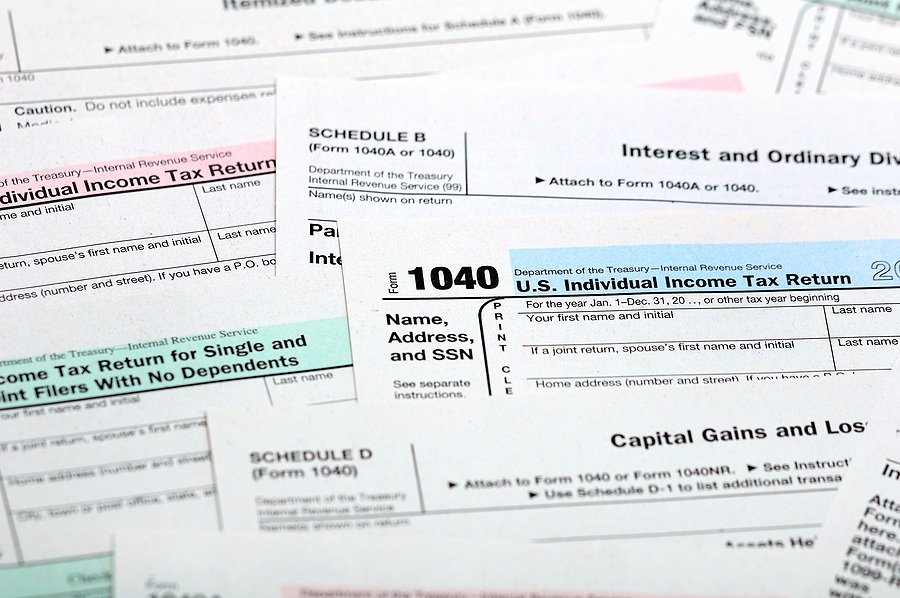
Understanding the Difference Between Income Tax and Capital Gains Tax
In the realm of taxation, two terms often surface: income tax and capital gains tax. Both are crucial aspects of an individual’s tax obligations. However, these two terms refer to different types of income taxes, each with its own rules and regulations. Investors must understand these financial concepts as they may impact their situation.
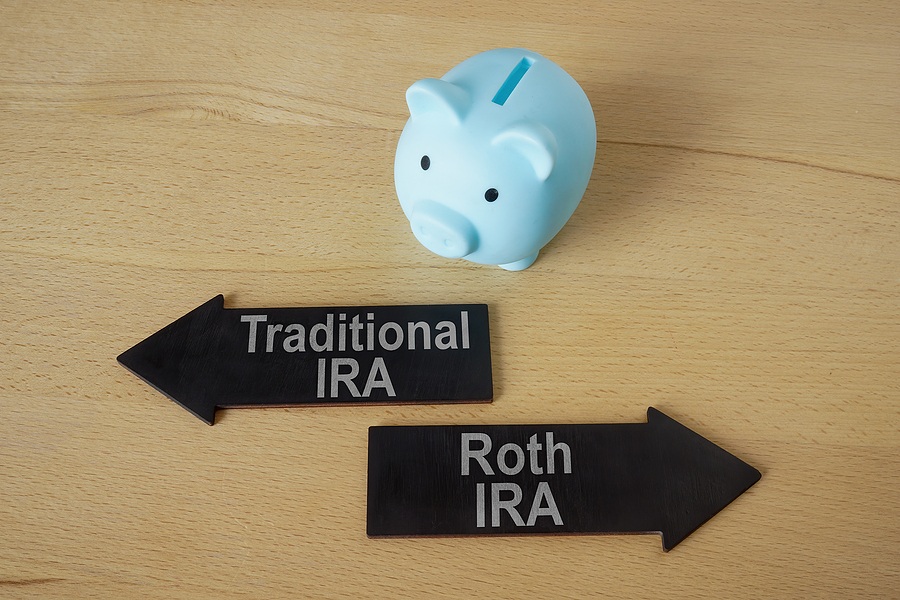
Minding Future Taxes: Traditional IRA vs. Roth IRA
When considering retirement savings options, it is paramount to understand the tax treatment of the various types of retirement accounts upon distributions. Traditional IRAs and Roth IRAs each offer unique features and have different tax implications that impact one’s retirement strategy. Here are the differences to be aware of.
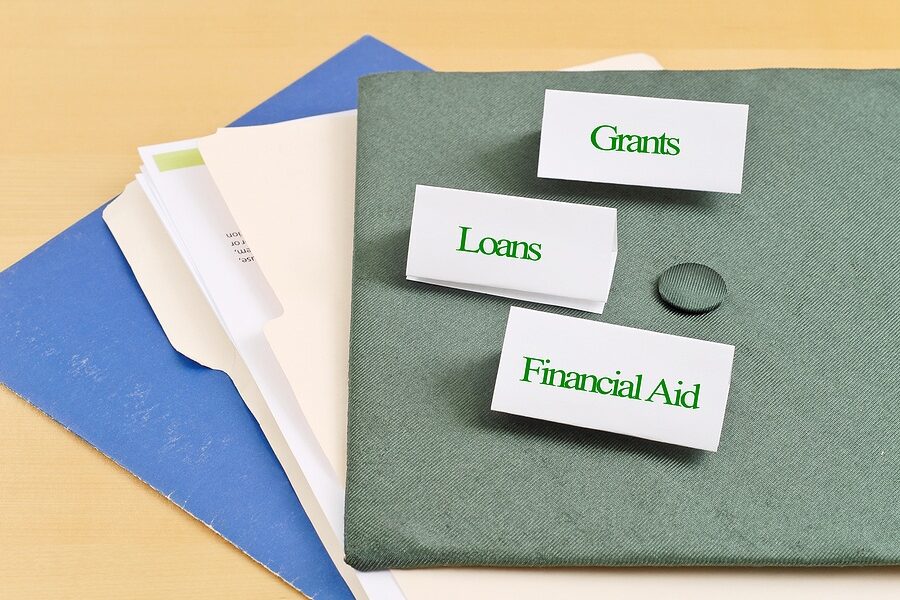
Financial Aid Awareness Month – How to Make the Most of Financial Aid
February is recognized as Financial Aid Awareness Month, an excellent opportunity for students and families to learn more about the various types of aid available and how to maximize their benefits. Financial aid, whether in the form of grants, scholarships, or loans, is vital in helping many students afford the rising costs of education.